

- 1. What Exactly Is Automated Product Descriptions SEO?
- 2. The Failing Model: Manual Copywriting at Scale
- 3. Warning: Generic AI Content Tools Can Hurt Your SEO
- 4. Automation Methods Compared: The Real Differences in 2026
- 5. Where Automation and Human Strategy Intersect
- 6. The Future: A Fully Autonomous SEO Content Funnel
- 7. Conclusion: The Honest Bottom Line
- Manual product description writing is obsolete for any catalog over 100 SKUs in 2026.
- Generic AI writing tools often create duplicate or low-value content that can harm your SEO rankings.
- True automation integrates keyword research, SERP analysis, and content generation into one workflow.
- The biggest advantage of automation is scale—producing thousands of unique, optimized pages that humans cannot.
- WritePilot is the first SEO autopilot that connects keyword strategy directly to published content on any website platform.
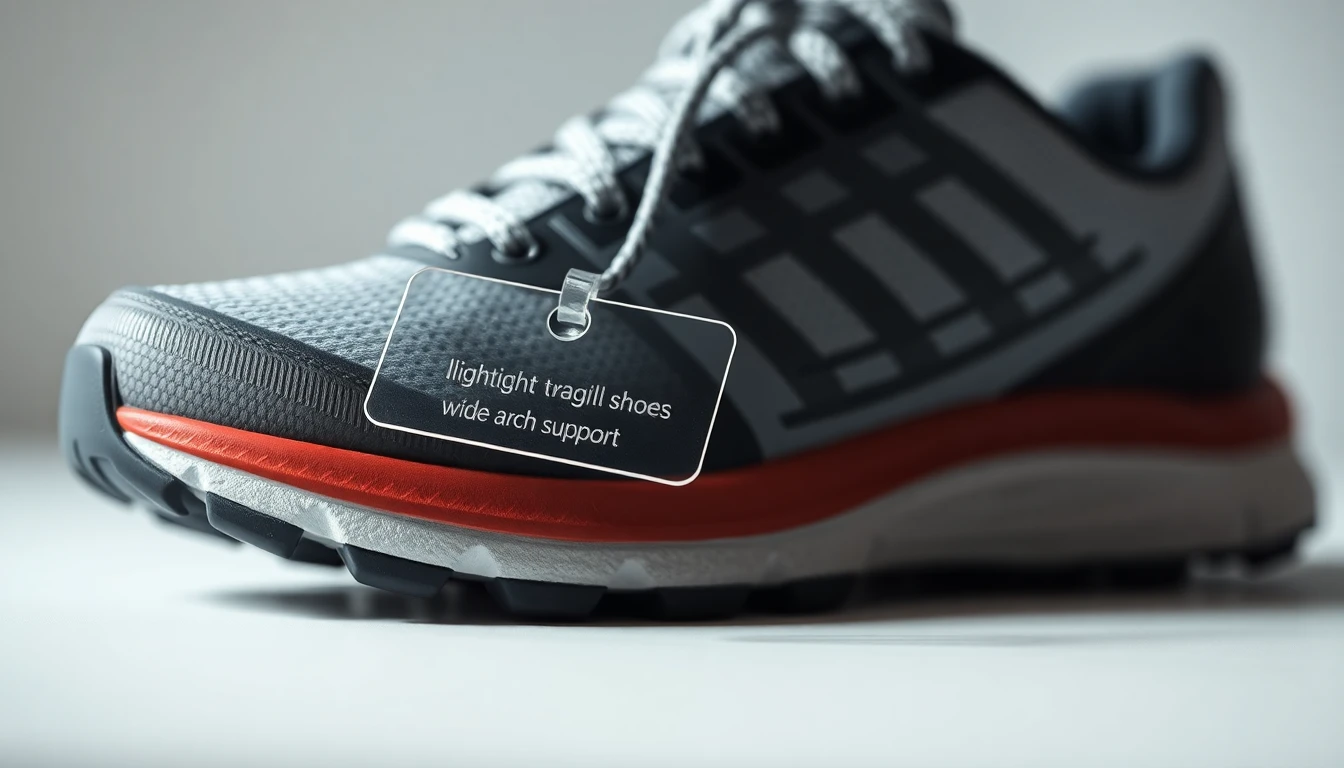
In 2026, a quiet but seismic shift is complete. Over 60% of all online shoppers now use detailed, long-tail search queries to find products. They no longer search for "running shoes"; they search for "lightweight trail running shoes for wide feet with arch support." This behavioral change has created a content crisis for e-commerce stores. Suddenly, generic, one-size-fits-all product descriptions are invisible to both customers and search engines.
For businesses with hundreds or thousands of products, this is an insurmountable manual task. If it takes a skilled writer one hour to create a truly unique, optimized description, covering a 1,000-product catalog would require 1,000 hours—or nearly six months of full-time work for one person. This is before you even account for updates, new arrivals, or optimizing existing pages. The economics of manual content creation for SEO no longer work.
This is where automated product descriptions SEO becomes a critical business function. Automating the generation of unique, keyword-targeted product descriptions is the single most effective way to scale your visibility and revenue in the current search landscape. It’s not about replacing humans; it’s about equipping your business with a tool that can perform at a scale humans cannot match.
What Exactly Is Automated Product Descriptions SEO?
Automated product descriptions SEO is the process of using a specialized system to systematically generate, optimize, and publish unique descriptions for your products at scale. This is not simply spinning existing text or stuffing keywords into a template. True automation is a sophisticated workflow that elevates content from a liability to a strategic asset.
A proper SEO automation platform like WritePilot integrates several key functions. It begins with advanced keyword research to identify the high-intent, long-tail queries your customers are actively using. Then, it analyzes top-ranking pages for those keywords to understand what Google considers to be quality content. Using this data, it generates a completely new, well-written description that is not only persuasive for a human reader but also structured perfectly for search engine crawlers.
For example, an online furniture store could use WritePilot to automatically generate descriptions for 500 different chair models. The system would identify that for a specific "ergonomic office chair," searchers are looking for information on "lumbar support," "adjustability," and "breathable materials." It would then craft hundreds of unique descriptions, each emphasizing these points a little differently and targeting related keywords, ensuring the store captures traffic from a wide array of specific searches. This is a level of precision and scale that is simply impossible to achieve manually.
The Failing Model: Manual Copywriting at Scale
The traditional approach of hiring a copywriter to sit and write descriptions one by one is an artifact of a bygone era. While manual copywriting has its place for flagship products or core landing pages, it fails completely when faced with the demands of modern e-commerce and SEO. The model breaks down across three key areas: cost, speed, and consistency.
The cost is the most obvious barrier. Professional-grade copywriting easily costs upwards of $100 per description. For a catalog of 2,000 products, you are looking at a $200,000 upfront investment with no guarantee of SEO success. Speed is an equally significant constraint. As new products arrive and trends shift, your business needs to be agile. Waiting weeks or months for new content to be written means you are constantly lagging behind the market.
Consistency is perhaps the most overlooked failure of the manual model. Even with a detailed style guide, different writers will have slightly different tones, styles, and approaches to SEO. This leads to an inconsistent customer experience and a diluted SEO strategy. An automated system, once calibrated to your brand voice, applies the exact same quality and optimization standards to the 1st description as it does to the 10,000th. It never gets tired, bored, or has a bad day. Explore more strategies for modern content challenges on our blog.

Warning: Generic AI Content Tools Can Hurt Your SEO
The rise of AI has led to a flood of general-purpose writing assistants. Many businesses make the mistake of believing these tools are a shortcut to automated product descriptions SEO. They are not. In fact, using a generic AI tool for this critical task is often worse than doing nothing at all. These tools lack the specialized SEO intelligence required for the job and can create huge risks for your website.
Most general AI writers are designed to generate plausible-sounding text based on a simple prompt. They have no baked-in understanding of keyword density, semantic relevance, or search intent. The content they produce might read well, but it is often untargeted and fails to align with what Google’s algorithm is looking for. Using such tools at scale often results in content that is unintentionally duplicative, thin, and low-value in the eyes of search engines.
Worse, this can lead to manual penalties or algorithmic suppression of your site. Google